
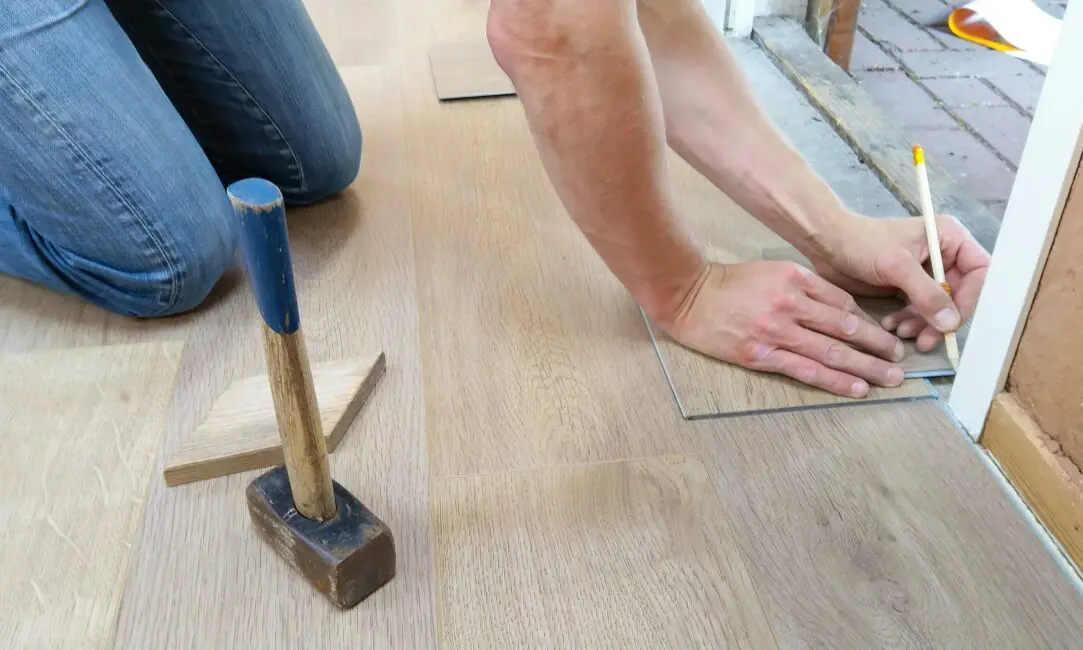
The promise of DIY flooring is compelling: save money, do it on your own schedule, and have the satisfaction of saying you did it yourself. And for some homeowners, in the right situation, it absolutely works. But DIY flooring comes with real risks and hidden costs that aren’t always obvious upfront. Here’s an honest breakdown to help you decide what makes sense for your project.
The Case for DIY Installation
- Floating floors (like LVP and laminate) are genuinely the most DIY-friendly products. They click together without glue or nails and have a reasonably forgiving learning curve.
- Small, simple rooms with straight walls and no complicated transitions are much more manageable than large open-concept spaces.
- If you’re handy, have done similar projects, and have time to execute properly, you can produce good results.
- DIY can save $2–$5 per sq ft on labor costs — which adds up on a 500 sq ft project.
The Hidden Costs and Risks of DIY
- Subfloor problems: This is where some DIY projects unravel. A professional installer will identify and address soft spots, height variation, squeaks, and moisture issues before laying the floor. A DIYer may not know what to look for.
- Material waste: Professionals cut with experience and minimize waste. First-timers often waste 15–20% of their material through mistakes or miscalculation.
- Tool costs: Renting or buying the right tools — oscillating multi-tools, jamb saws, tile saws, floor nailers — can run hundreds or thousands of dollars for a single project.
- Time: What takes a professional crew one or two days can take a determined DIYer a full week or two weekends.
- Mistakes are expensive to fix: Improperly installed tile can crack. Hardwood installed before proper acclimation can buckle. LVP laid without attention to expansion gaps can lift at walls.
- No warranty protection: Many manufacturer warranties require professional installation. A DIY install may void your warranty.
When Professional Installation Is Worth It
- Tile: Tile installation requires precision leveling, mortar mixing, layout planning, and grout work. It’s one of the most skill-dependent flooring installations there is.
- Solid hardwood: Nailed or stapled hardwood requires a floor nailer and knowledge of moisture acclimation, expansion gaps, and subfloor requirements.
- Large or complex spaces: Open-concept layouts, diagonal patterns, transitions between multiple rooms, or stairs significantly increase complexity.
- Any project with subfloor concerns: Uneven, squeaky, soft, or wet subfloors require professional assessment and repair.
- Expensive materials: If you’ve invested in premium hardwood or tile, it doesn’t make sense to risk it on your first installation attempt.
What Professional Installation Costs in Lancaster
In the Lancaster area, professional flooring installation typically runs $2–$8 per sq ft depending on the material and complexity. Tile runs highest due to labor intensity; LVP and laminate run lowest. For most projects, labor is 20–35% of total project cost — and it’s the portion that protects your investment in everything else.
Heritage Floors Installs It Right
When you purchase flooring through Heritage Floors, our installation teams are experienced, licensed, and local to the Lancaster area. We stand behind our installation work and our team has handled everything from small bathroom tile jobs to whole-home flooring projects in new construction. When you factor in the warranty protection, the subfloor expertise, and the peace of mind, professional installation is usually the smarter investment.