
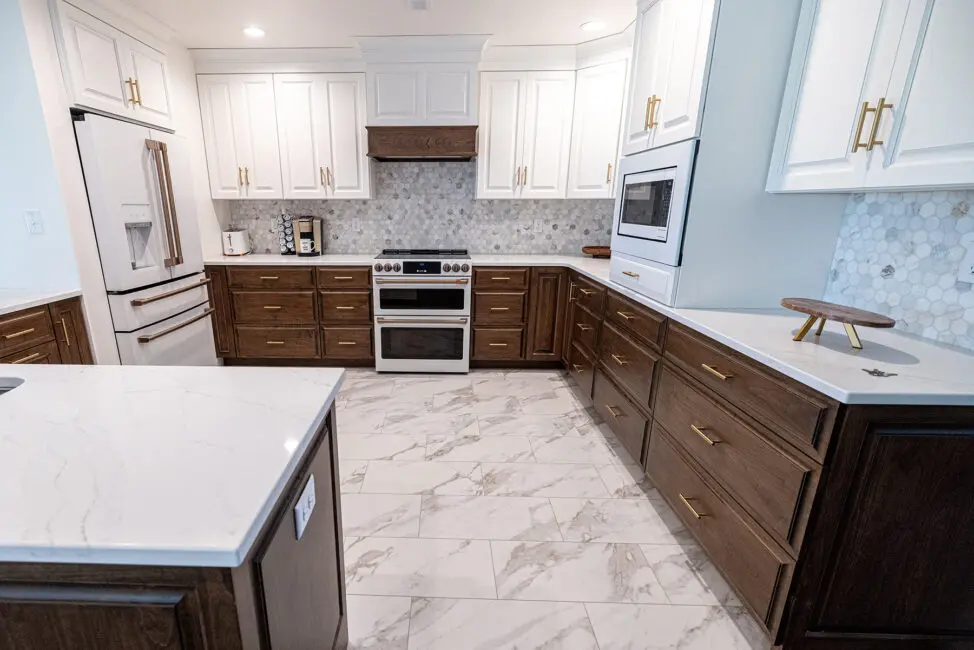
Tile is one of the most versatile and timeless flooring options available. It’s durable, waterproof, low-maintenance, and available in an almost endless variety of styles, sizes, and materials. But tile is also one of the flooring categories where buyers encounter the most surprises — because there’s more to understand about tile before you buy than there is for most other floor types. Here’s what you need to know before you commit.
Ceramic vs. Porcelain: What’s the Difference?
Both ceramic and porcelain are clay-based tiles fired in a kiln. The key difference is density and water absorption. Porcelain is fired at higher temperatures, making it denser, harder, and far less porous than ceramic. This means porcelain is more resistant to moisture, staining, and wear — making it the better choice for floors, especially in wet areas or high-traffic rooms. Ceramic is softer, easier to cut, and typically less expensive — suitable for wall tile and lower-traffic applications. For flooring in Lancaster kitchens, bathrooms, and mudrooms, we generally recommend porcelain.
Understanding Tile Ratings
- PEI Rating: Rates floor tile hardness from 0 (no foot traffic) to 5 (heavy commercial use). For residential floor applications, you want PEI 3 or higher. For high-traffic areas like kitchens and entryways, PEI 4 is a safe choice.
- COF (Coefficient of Friction): Measures slip resistance. For floor tile, look for a COF of 0.6 or higher. Matte and textured tiles tend to have higher COF than polished tiles.
- Water absorption: Porcelain tiles have less than 0.5% water absorption; ceramic is higher. For floors, lower is better.
Tile Sizes: How to Choose
- Small format (4×4” to 6×6”): Great for backsplashes, shower floors, and accent patterns.
- Standard format (12×12” to 18×18”): The reliable workhorse. Works well in most rooms and is straightforward to install.
- Large format (24×24” to 48×48”): Very popular right now. Makes rooms feel larger, requires fewer grout lines, and creates a modern, clean look. Requires a very flat subfloor and a skilled installer.
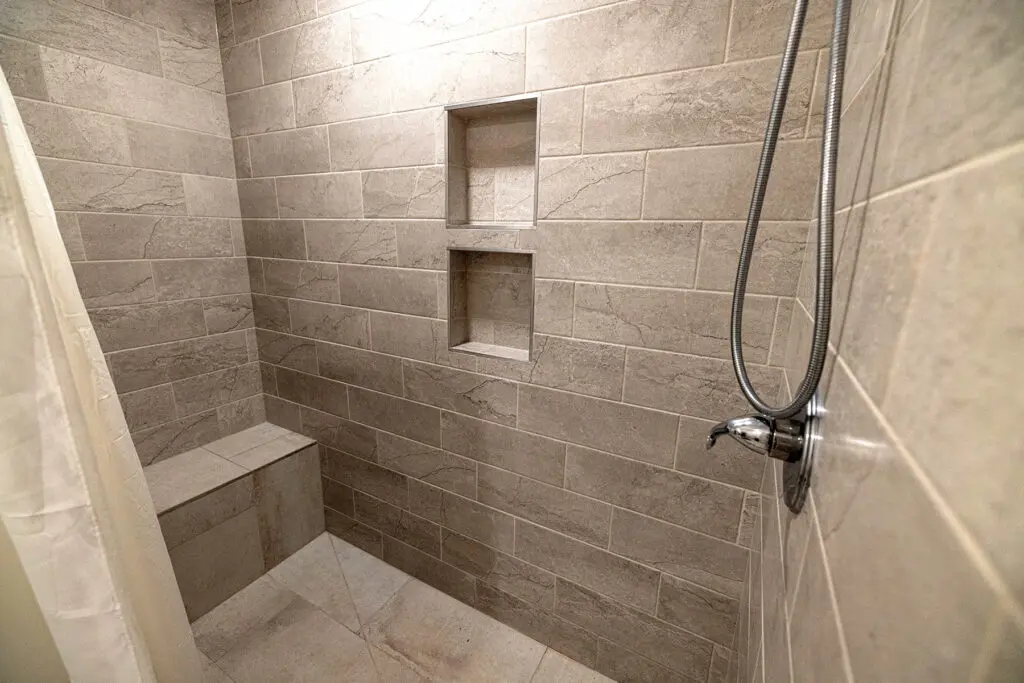
- Plank tile (6×24”, 6×36”, etc.): Designed to mimic wood. Popular in bathrooms and kitchens where you want a wood aesthetic with tile performance.
- Mosaic tile: Small tiles on mesh sheets, used for accent walls, shower floors, and backsplashes.
Grout: Don’t Overlook It
- Grout color dramatically affects the look of the installation. Matching grout blends the tiles together; contrasting grout emphasizes the tile pattern.
- Epoxy grout is harder, more stain-resistant, and less porous than traditional cement grout. It’s worth the upgrade in kitchens and bathrooms.
- Use sanded grout for joints wider than 1/8”; unsanded for narrower joints and with soft stone tiles.
- Seal cement grout after installation and periodically thereafter. Unsealed grout absorbs moisture and stains.
Subfloor Requirements for Tile
This is where a lot of DIY tile projects go wrong. Tile is rigid — it needs a solid, flat, non-flexing substrate. The subfloor must meet strict deflection requirements (L/360 or less). In many older Lancaster homes, this means adding Hardiebacker or Ditra membrane over the subfloor, or sistering floor joists. Tile installed over a bouncy or flexible subfloor will crack — not if, but when. This is a major reason we recommend professional tile installation.
Common Tile Buying Mistakes
- Not buying enough tile: Always buy 10–15% extra for cuts, breakage, and future repairs. Tile is manufactured in batches — if you run short, the next production run may not match exactly.
- Choosing glossy tile for floors: Looks beautiful but is slippery when wet and shows every footprint and smudge.
- Ignoring the subfloor: The best tile will fail if the subfloor isn’t right.
- Underestimating grout maintenance: Light-colored cement grout in a busy kitchen will require regular sealing and cleaning.
Come See the Tile Selection at Heritage Floors
We carry a wide selection of porcelain and ceramic tile at our Heritage Floors showroom, from classic subway patterns to large-format contemporary slabs. Our team can help you navigate ratings, sizes, and grout options — and our experienced tile installation crews serve homeowners throughout Lancaster County, Lititz, Ephrata, Strasburg, and beyond. Stop in and let’s build something beautiful.